
Manténgase sano!
- Posted April 21, 2026
Less-Dangerous Painkiller Still Has High Risk For Drug Interactions
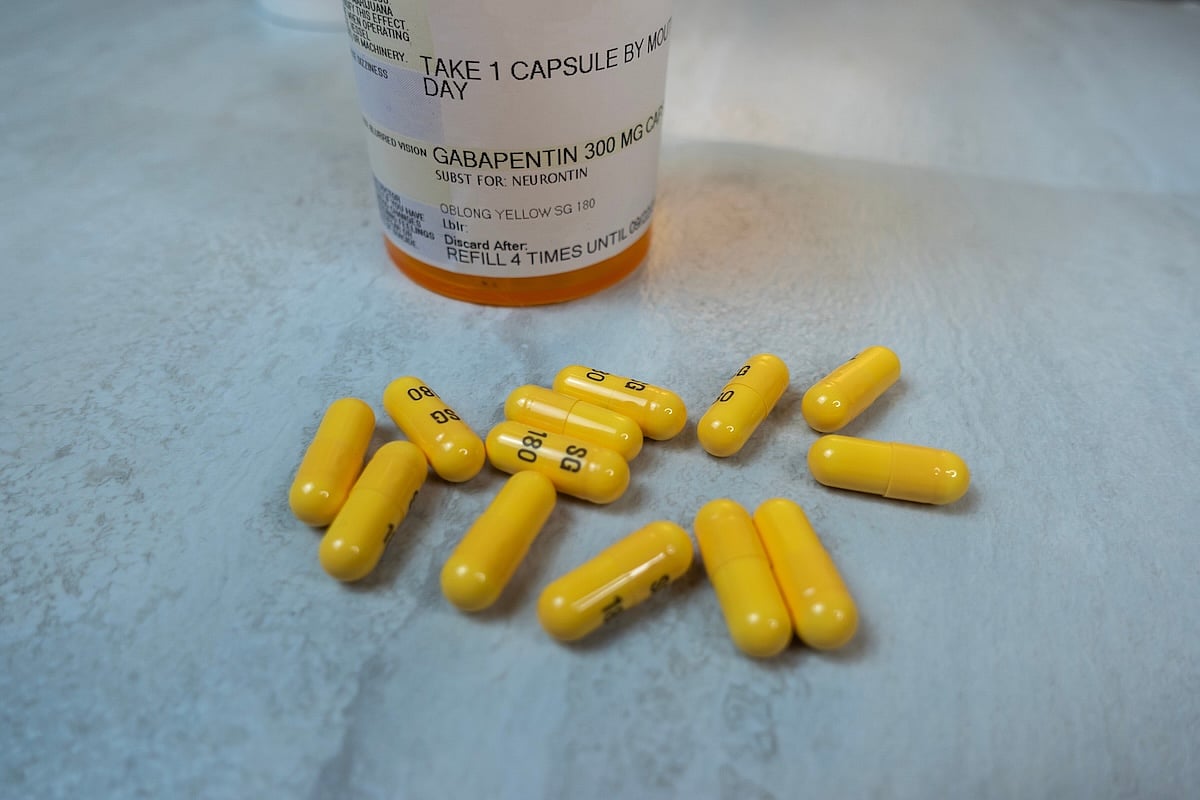
People prescribed gabapentinoid painkillers have a high risk of dangerous drug interactions if they are taking other meds, a new study found.
People have a doubled risk of hospitalization for drug poisoning if benzodiazepines are added to their gabapentinoids, researchers reported April 16 in PLOS Medicine.
Taking opioids with gabapentinoids is associated with a 30% increased risk, researchers found.
“Our findings do not suggest that gabapentinoids are unsafe or should not be prescribed, but clinicians should be cautious when prescribing them, particularly if a patient is taking other medications as well, and clinicians should closely monitor patients who are taking them,” senior researcher Kenneth Man, a pharmacoepidemiologist at University College London, said in a news release.
Gabapentinoids – a class of drugs that includes gabapentin and pregabalin – are widely prescribed to treat epilepsy, nerve pain and anxiety, researchers said in background notes.
These drugs are increasingly prescribed for pain relief as an alternative to opioids, researchers said. They are now the seventh most commonly prescribed medicine in the U.S.; worldwide, their use increased by more than fourfold between 2008 and 2018.
For the new study, researchers looked at nearly 17,000 people taking gabapentinoids who had been hospitalized at least once for drug poisoning in the U.K. These patients represented under 2% of the entire group of people who’d been prescribed a gabapentinoid between 2010 and 2020.
Symptoms of drug poisoning could include loss of consciousness, breathing difficulties or seizures, researchers said.
About 9 out of 10 (89%) of patients took an opioids alongside a gabapentinoid at some point during the study, while more than half (55%) took benzodiazepines alongside gabapentinoids, researchers found.
The highest risk of drug poisoning was found in the 90 days before people were prescribed gabapentinoids, suggesting that docs prescribed the drugs because they were concerned about opioid or benzo use, researchers said.
“A clinician’s decision to prescribe gabapentinoids may sometimes be an attempt to minimize the risk of drug poisoning linked to opioids or other medications,” said lead researcher Andrew Yuen, a doctoral student at University College London.
“While the risk of poisoning did decrease somewhat after patients began gabapentinoid treatment, they still faced an elevated risk of drug poisoning, which suggests that clinicians need to remain vigilant to the risks,” he said in a news release.
It remains unclear whether gabapentinoids can directly cause drug poisoning, researchers said. There is evidence to suggest the drugs might enhance the sedative effects of other medications, including opioids and benzodiazepines.
More information
The Mayo Clinic has more on gabapentin.
SOURCE: University College London, news release, April 16, 2026


